Difference Between Strainer and Filter in Process Industries
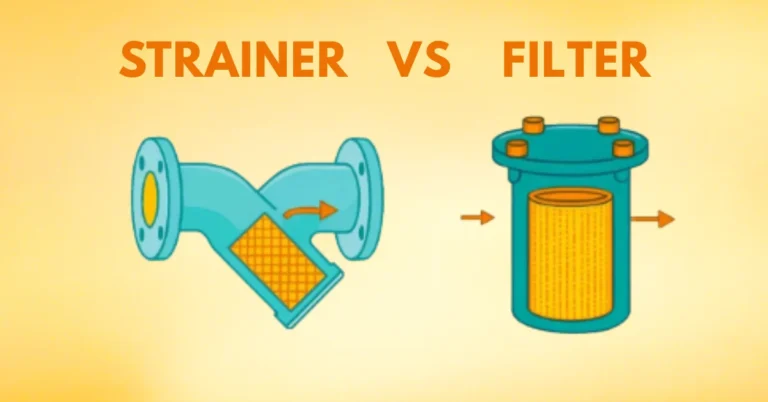
Strainer and Filter – Introduction In industrial piping and instrumentation systems, the terms strainer and filter are often used as if they mean the same thing. On drawings, datasheets,.
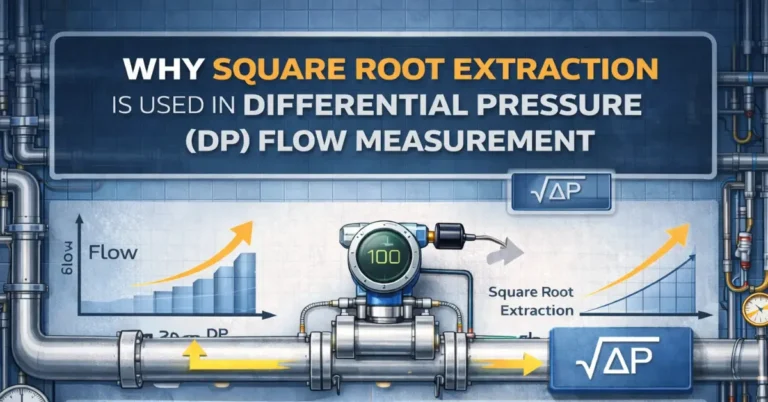
Square Root Extraction: Introduction Differential pressure (DP) flow measurement is one of the oldest and most widely used methods in the process industry. Even today,.
Temperature and Pressure Compensation: Introduction Temperatureand pressure compensation is a measurement technique used in industrial instruments to correct readings to standard reference conditions, typically 25°C temperature and.
Actual Flow-Standard Flow-Normal Flow: Instroduction Gas flow measurement is one of the most misunderstood topics in instrumentation. Many engineers see values like Am³/h, Nm³/h, Sm³/h, or.
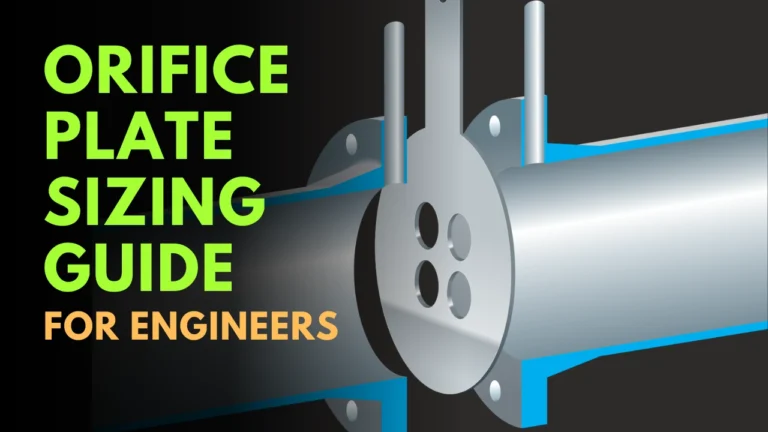
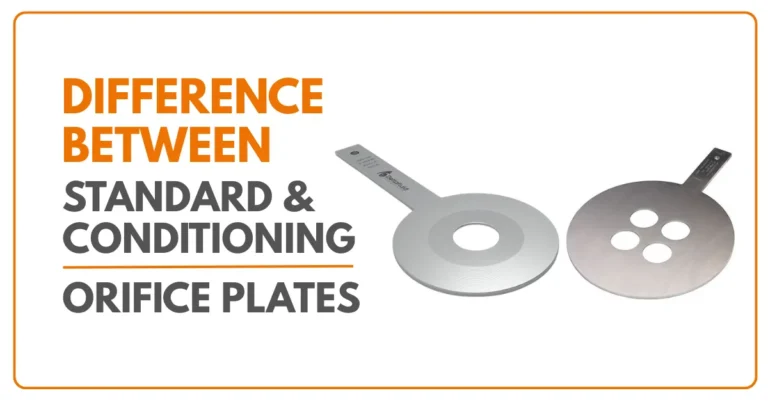
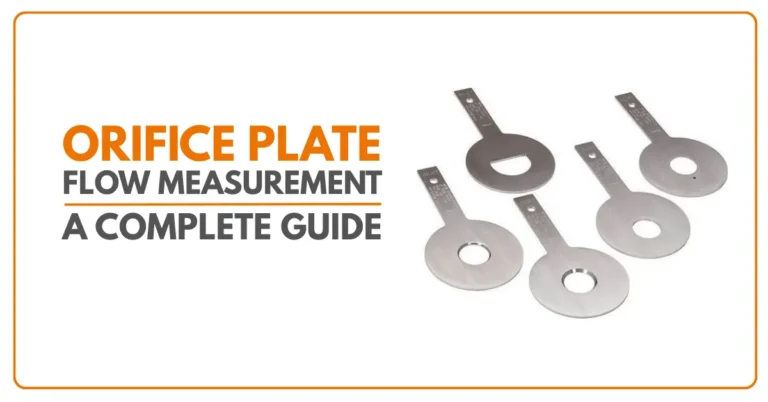
When you study instrumentation and flow measurement, one of the first and most widely used devices you will see is the orifice plate. It may look simple,.
In modern process industries, smart transmitters have replaced traditional analog transmitters because of their better accuracy, digital intelligence, and communication capabilities. However, with this advancement, calibration.
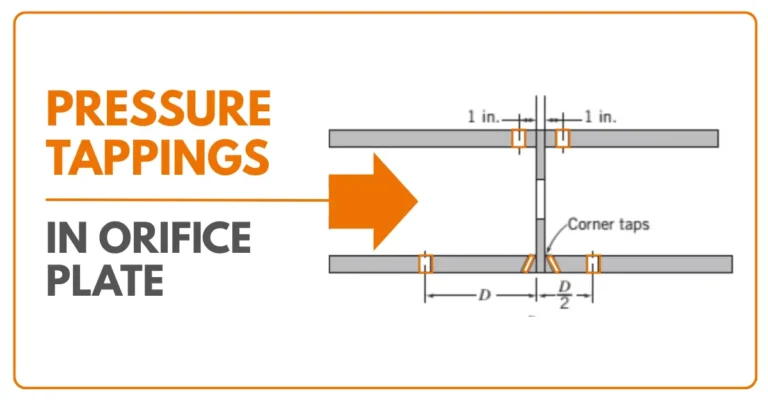
Drain and Vent Hole: Introduction Orifice plates are one of the most widely used primary flow measuring elements in industries such as oil & gas, power.
In any modern process plant whether it is oil & gas, chemical, power, water treatment, or pharma, control valves quietly do one of the most important.
Differential Pressure (DP) Flow Measurement is one of the oldest, most trusted, and most widely used flow measurement techniques in the process industry. Even today, DP flow.
In oil & gas, chemicals, LPG, LNG, water and other utility industries, the term “Custody Transfer” comes up quite often. But what does it really.